press kit
Physicist, entrepreneur and builder
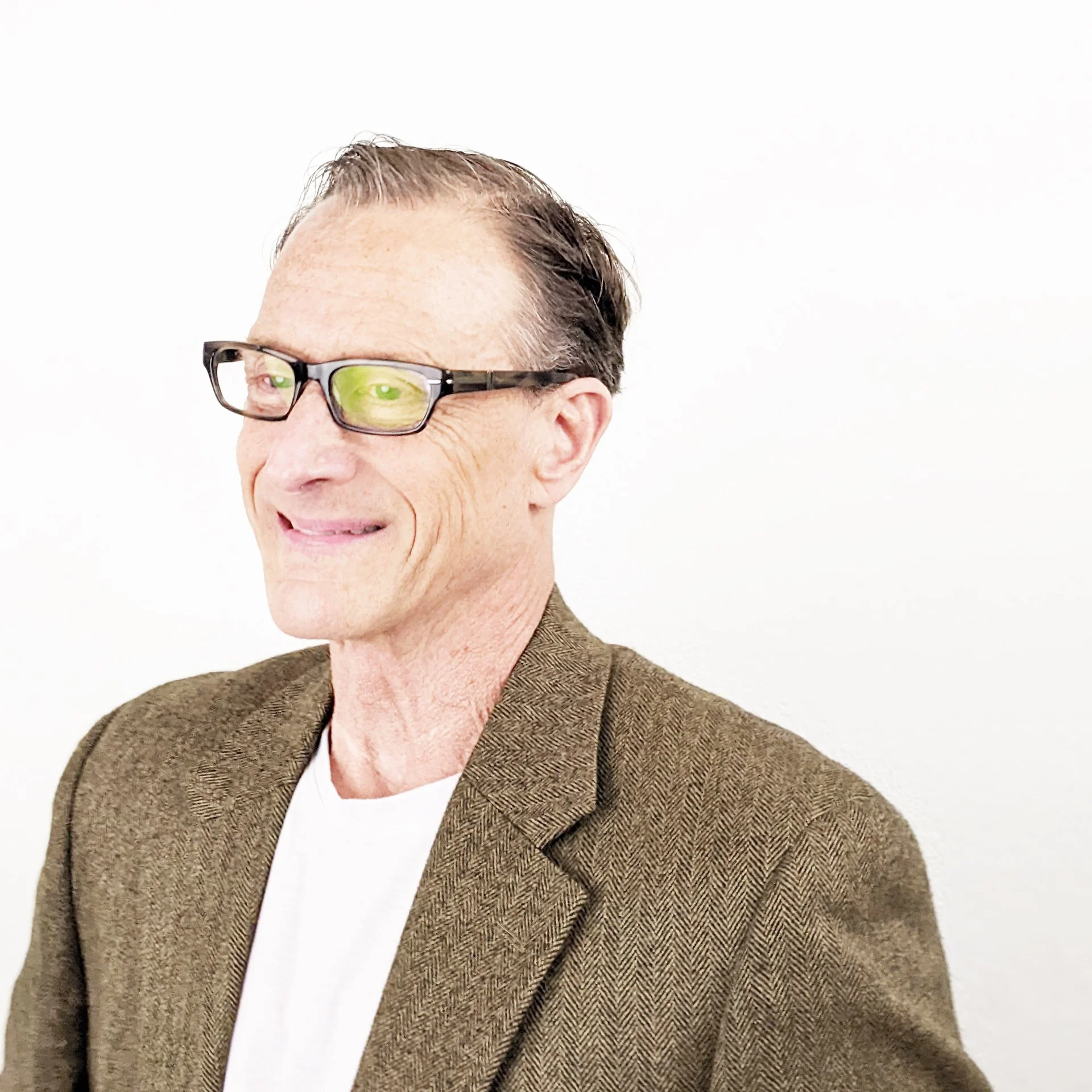
Alex Mountjoy
Alex Mountjoy is a physicist, entrepreneur and builder who combines software, electronics, mechanics and manufacturing to create practical automation for the real world.
-
Alex Mountjoy is a physicist, software engineer, entrepreneur and mechanic. His career has taken him from experimental physics and scientific computing to consumer products, beverage manufacturing and industrial machinery. Today he is founder of BuildShift, where he is developing affordable custom automation for businesses that have been priced out of conventional automation.
-
Alex Mountjoy is an entrepreneur, inventor and builder working at the intersection of software, electronics, machines and manufacturing.
He earned a B.A. in Physics, magna cum laude, from Tufts University and began his career in experimental physics and scientific computing, including work at Brookhaven National Laboratory and École Polytechnique in France.
He subsequently became a software engineer and systems developer before founding Dolce Mia, a California consumer-products company, in 1995.
In 2016, Mountjoy founded Mountjoy Enterprises and developed Mountjoy Sparkling, an early cannabis-infused sparkling beverage. The company later developed and distributed a hemp-derived CBD beverage nationally before evolving into a beverage manufacturing and co-packing operation.
After returning to hands-on mechanical work as an electric motor mechanic, Mountjoy recognized that his unusual combination of physics, software, electronics, mechanics and manufacturing could be applied to a problem facing thousands of small businesses: affordable automation.
That realization led to BuildShift, a design-build automation company focused on practical machines that solve specific problems and deliver measurable economic value.
Mountjoy's career has never followed a conventional path.
That is precisely the point.
He has spent a lifetime learning how things work.
Now he's building things that work better.
-
Affordable industrial automation
The future of small-business automation
Software engineers learning hardware
Why automation projects become too expensive
Manufacturing in California
Entrepreneurship and failed ventures
Building physical products
The intersection of software and machinery
Career reinvention
What working with your hands teaches a technologist
Software taught a generation to think in abstractions. BuildShift teaches them to make those abstractions move.
I've never been particularly interested in simply operating things.
I want to understand how they work.
Then I want to make them work better.
That was true when I was building experimental equipment in a physics lab.
It was true when I was writing software.
It was true when I was building consumer products.
It was true when I was running a beverage factory.
And it's true now when I'm taking apart an electric motor or building an automated machine.
The projects change.
The obsession doesn't.
Figure out what needs to be done.
Then build it.
methodology
Start With the Work
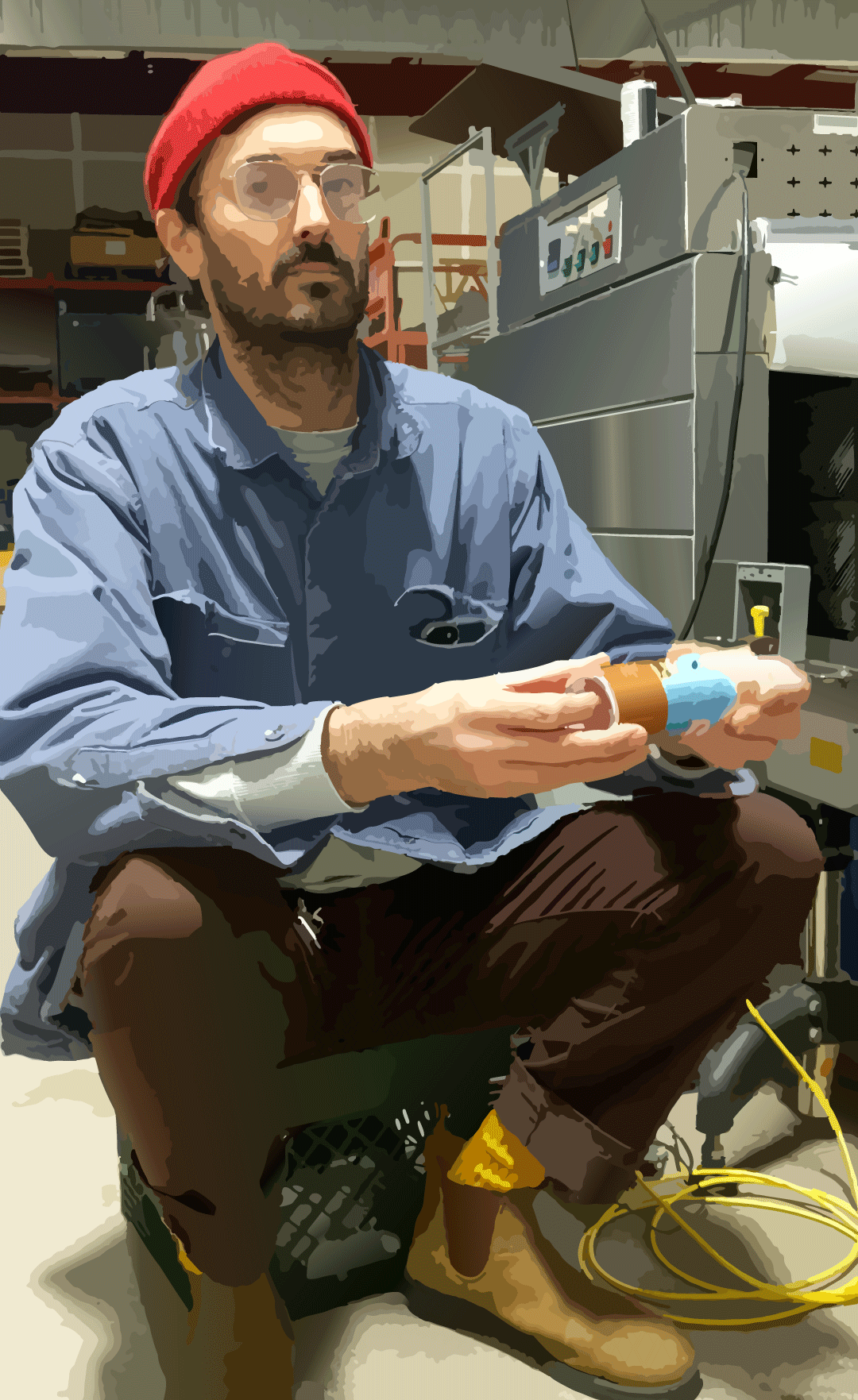
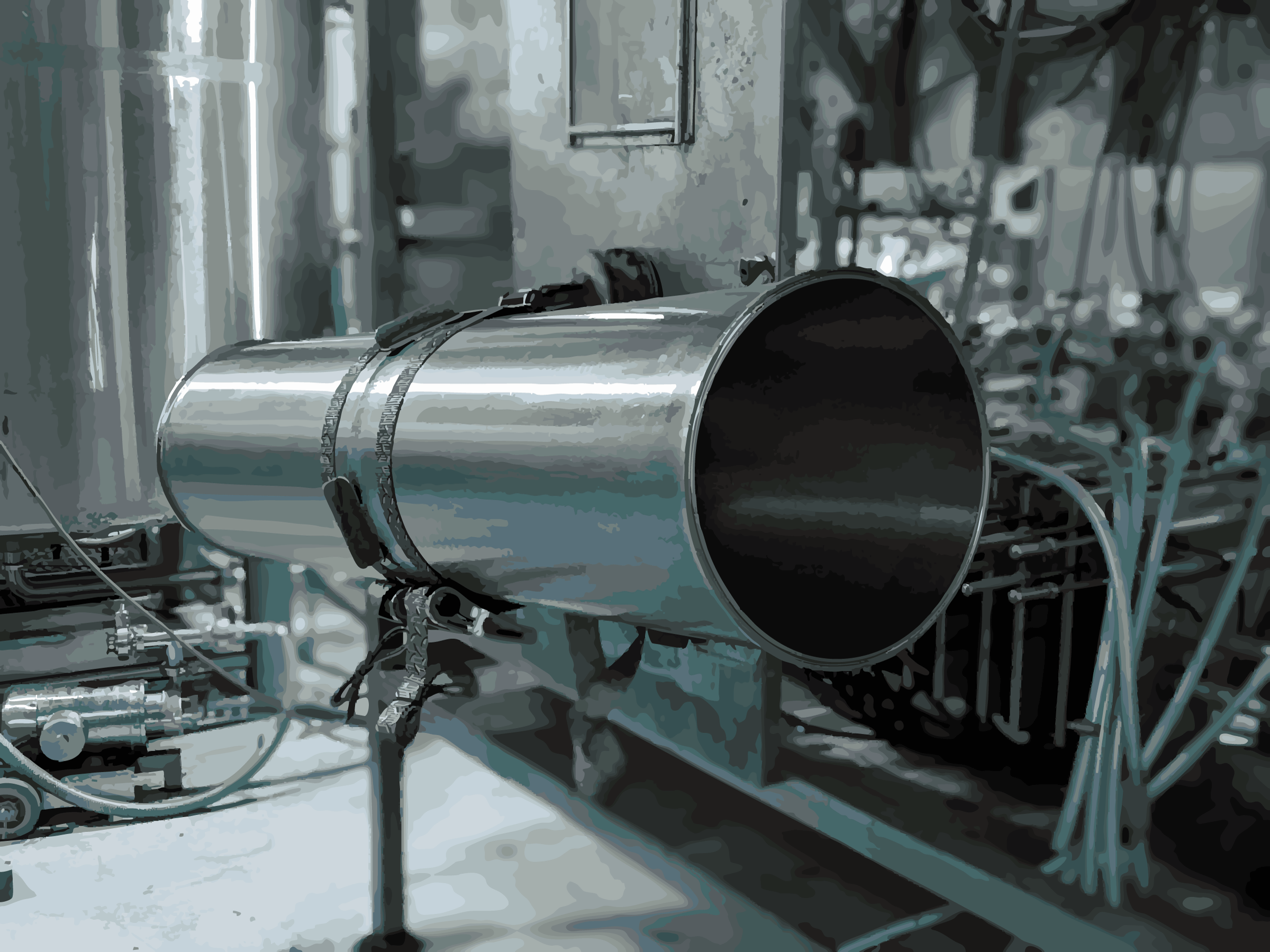
You never fully understand a job unless you perform it yourself. In the early stages of device development, we strive to get hands-on wherever possible.
Iterate
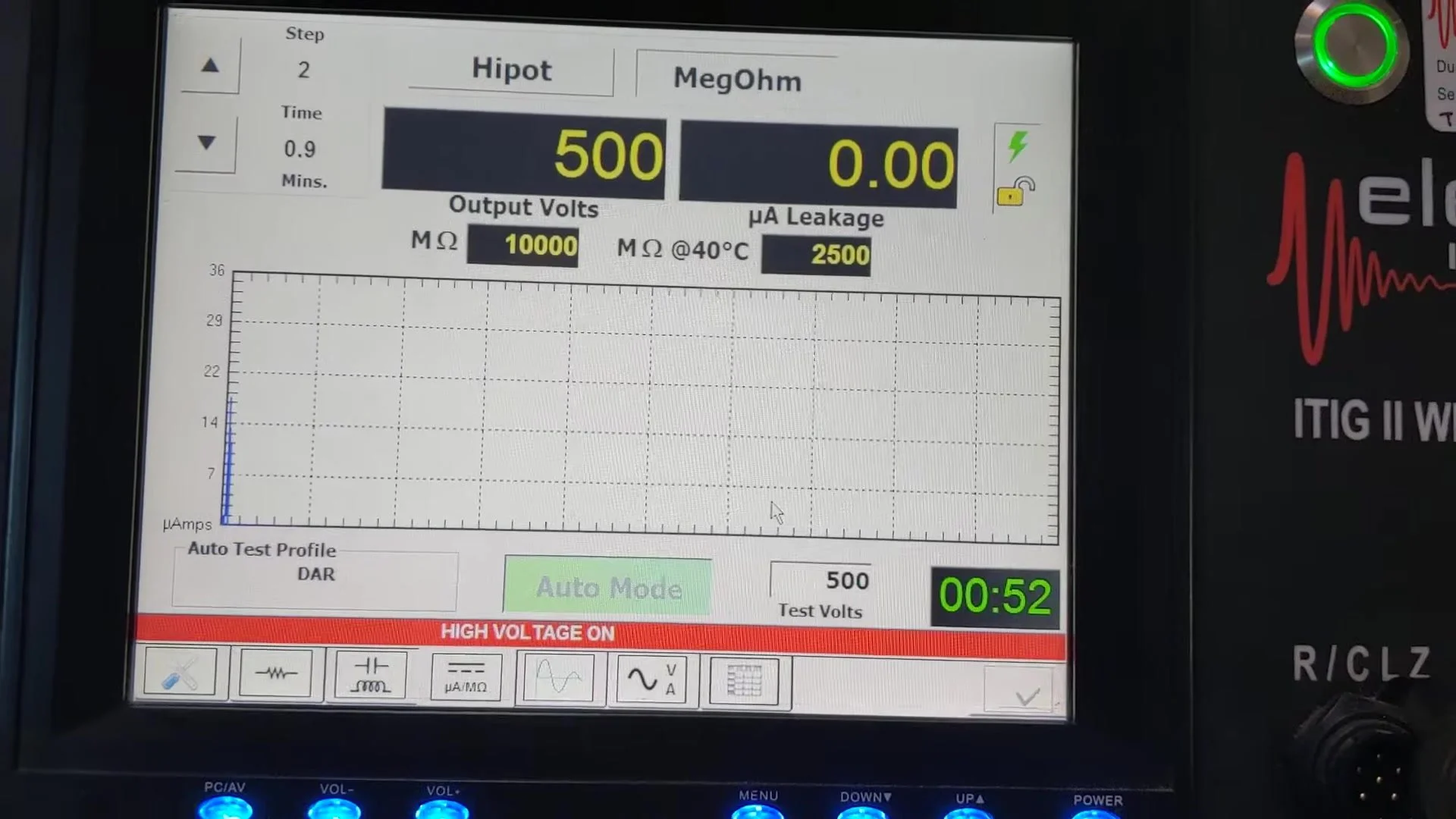
Iteration is especially important when you are under pressure or behind, or short on resources. In such circumstances, you need everything to move forward, if even a little bit.
Understand the Science
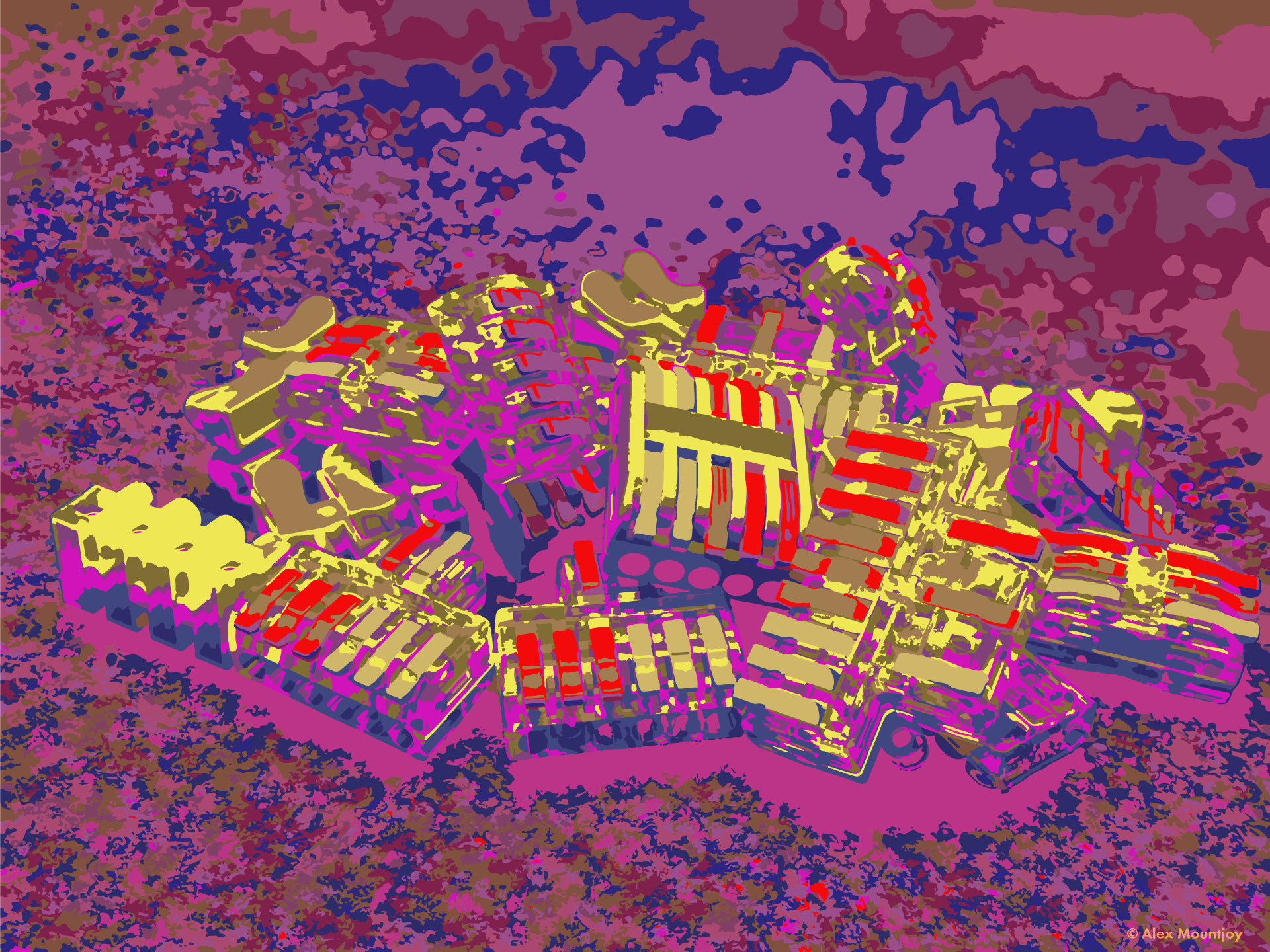
If you understand the physics behind a task, and are skilled in hands-on mechanical/electronic design, you will be especially adept at solving weird problems and design right-sized solutions.
Double-Check Yourself
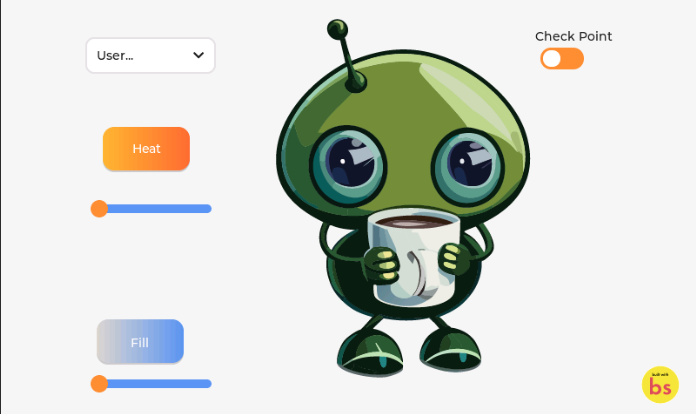
Everyone understands that double-checking oneself is the only way to avoid mistakes. But our human tendency is to skip double-checking, because we think we're right, and because double-checking takes mental energy. Our devices prevent forgetting by insist that double-checking be performed at critical control points, blocking further action until the conditions are satisfied.
Kettle Fill Project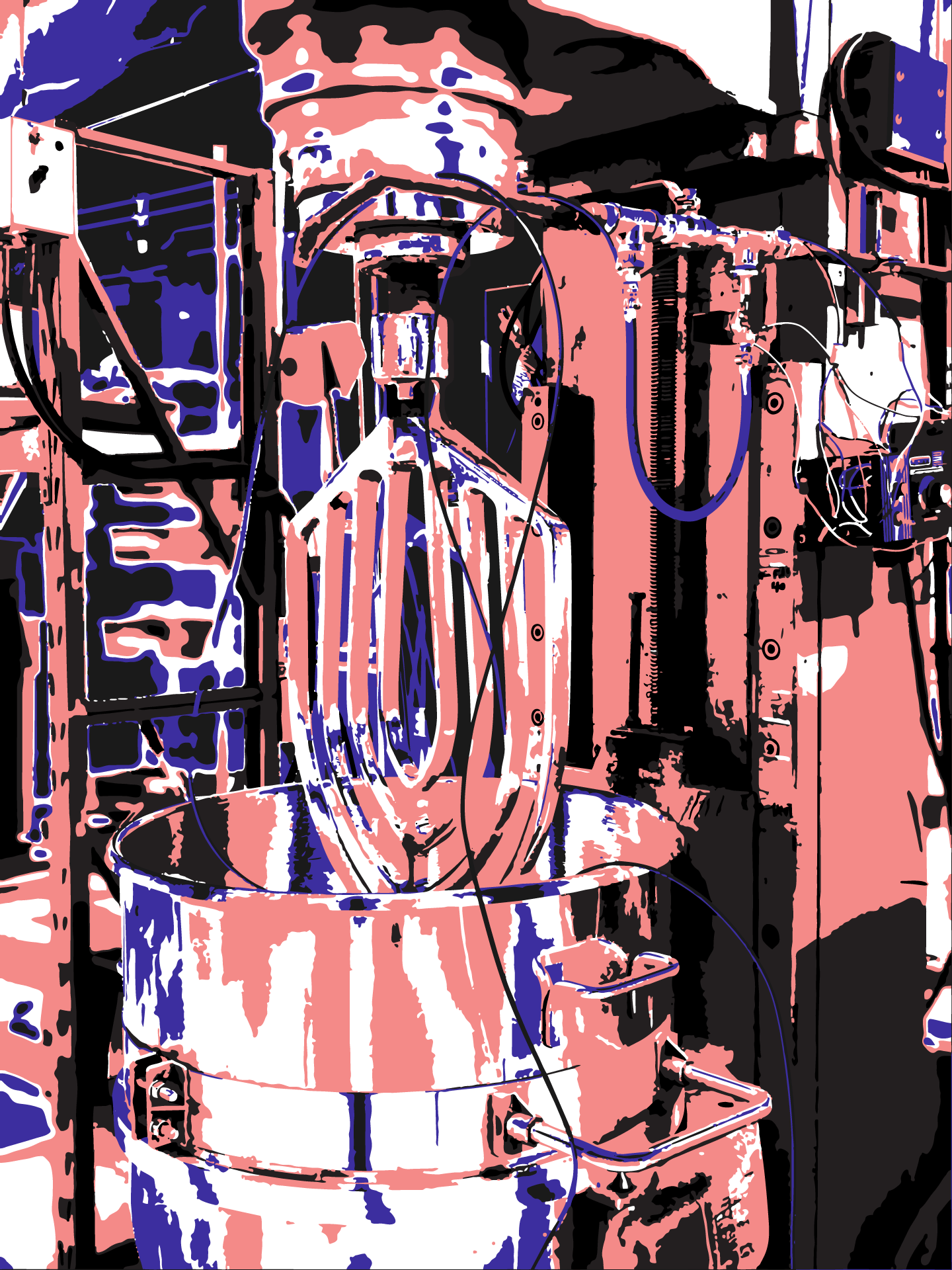
The ketTle fill device
· Interface with an existing industrial process.
· Control critical variables previously left to the operator.
· Shift process-tracking responsibilities from operator to device, decreasing the amount of task-switching required of the operator, making the overall process simultaneously more efficient, more enjoyable and easier to train for.